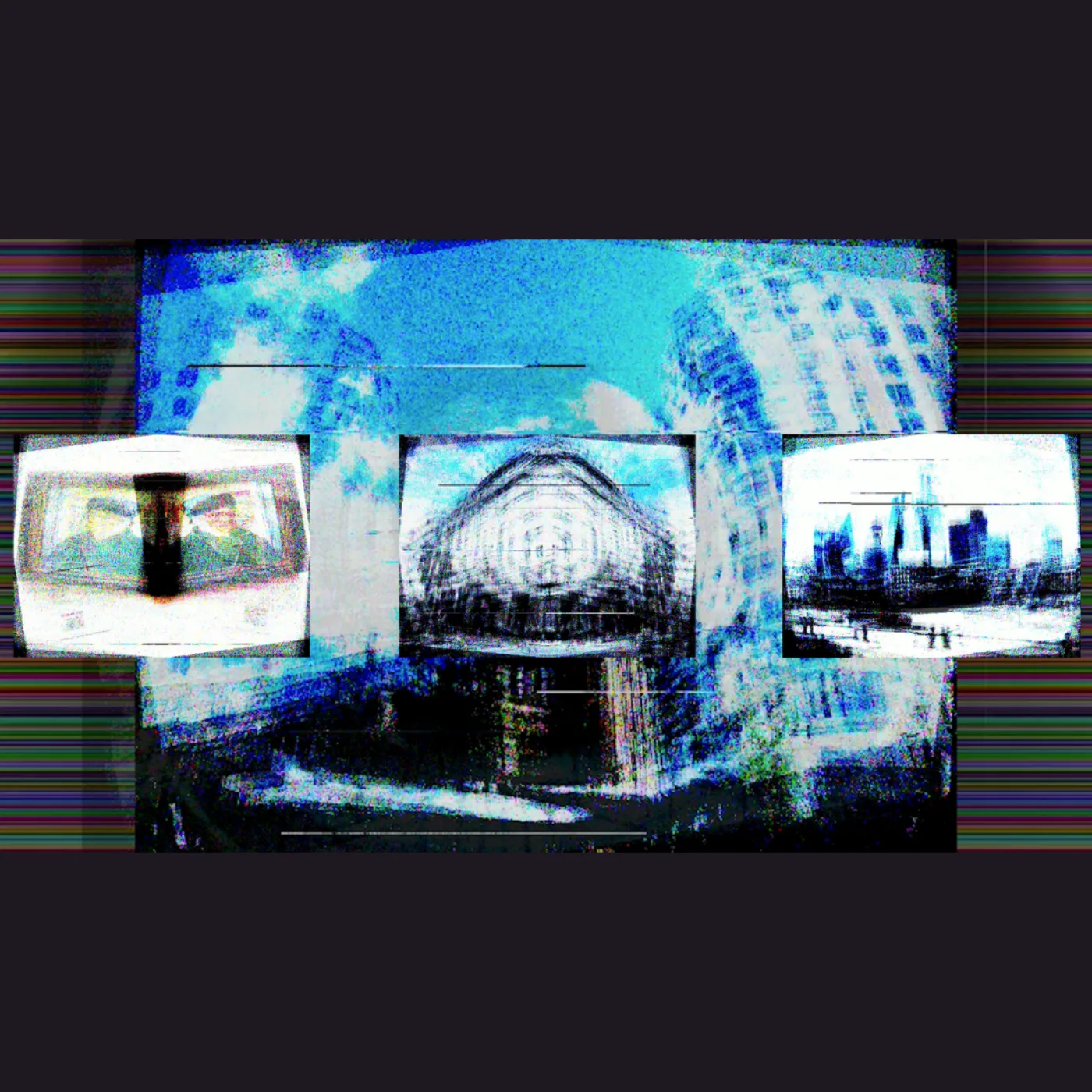
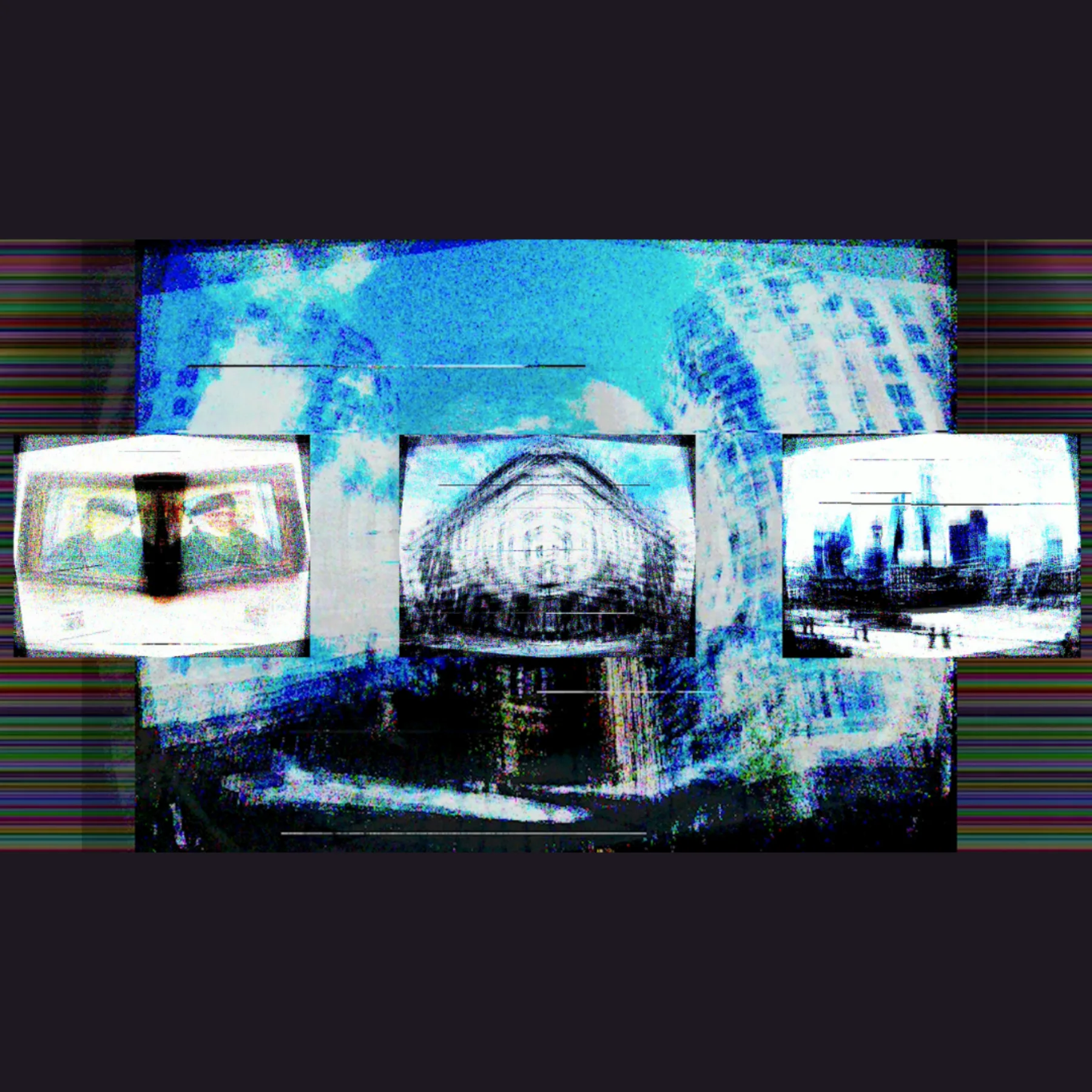
An immersive computational image environment exploring how fragments of thought can be recomposed into a luminous architectural memory.
An immersive computational image environment exploring how fragments of thought can be recomposed into a luminous architectural memory.
MindPixel combines the artist’s lecture-note archive with personal photographs. Text was extracted from PDF documents, cleaned and converted into TF-IDF features; the image collection supplied a parallel visual record. A custom fusion model was then trained to generate new images from those two forms of memory.
Medium
Creative Coding
Year
2023
Project framework
Role, tools and collaboration
Role
Artist / maker
Tools
Creative Coding
Status
Documented work · 2023
Process and approach
01
Machine-learning process
The project uses a PyTorch convolutional network to process image features and join them with a 100-feature textual representation. Training images are resized to a cinematic 16:9 format and augmented through rotation, flipping and colour variation before the model learns to reconstruct and transform their combined information.
02
Topics within the archive
Topic analysis of the lecture material surfaced recurring clusters around data visualisation and Arduino, self and relationships, image systems and noise, convolution and information, and design, learning and space. These themes form a conceptual index of the artist’s studies rather than a manually written prompt.
03
From MindPixel to later works
The generated output became a foundation for later investigations including Digital Echoes. MindPixel established the central method: personal data can be treated as artistic material, and a machine-learning system can reveal unfamiliar visual relationships between knowledge and lived experience.